kapan Kathmandu
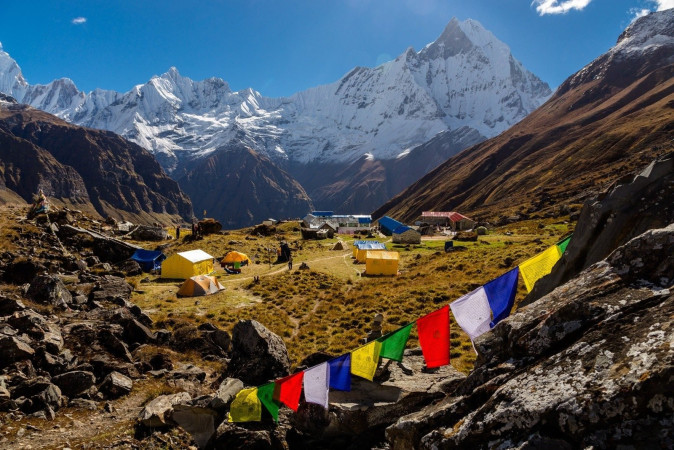
If you’re dreaming about trekking in Nepal, the Annapurna Circuit should definitely be on your radar. It’s one of the most popular and rewarding treks in the world. Why? Because it offers a perfect mix of stunning natural beauty, rich culture, and a real adventure challenge that’s doable for many people with a bit of fitness and spirit.
Here’s everything you need to know about what to expect and how to get ready for this unforgettable journey.
What is the Annapurna Circuit?
The Annapurna Circuit is a trail that loops around the Annapurna mountain range. Along the way, you’ll cross different landscapes — from lush green forests and terraced rice fields to high mountain deserts and snow-covered peaks. The trek usually takes between 15 to 20 days, depending on your pace and the exact route you choose.
One of the highlights of the trek is crossing Thorong La Pass, which stands at 5,416 meters. It’s a challenging part but crossing it rewards you with incredible views and a huge sense of accomplishment.
What to Expect on the Trail
When you start the Annapurna Circuit, you’ll walk through beautiful villages where local people live traditional lives. You’ll see farmers working their fields, children playing, and monasteries perched on hillsides. Each village has its own character and warmth, so take your time to soak it all in.
The trail varies from gentle walks to steep climbs. Some days you’ll be trekking through forests full of birds and flowers, while other days will have rocky, high-altitude paths. As you gain elevation, the air gets thinner, so you’ll need to move slowly and listen to your body.
Most trekkers stay in tea houses — small family-run lodges that offer simple rooms and home-cooked food. Dal bhat, a traditional Nepali meal of rice and lentils, is the staple and will keep you fueled for the next day’s hike.
How to Prepare for the Trek
Get in shape: You don’t need to be an athlete, but it’s important to have a good base level of fitness. Regular walking, hiking, or cardio exercise for a few months before the trek will help your body get ready.
Pack smart: Bring layers of clothing because the weather changes a lot. Mornings can be chilly, but during the day it might get warm. Don’t forget a good pair of hiking boots, rain gear, a warm jacket, and a hat and gloves for the high passes.
Altitude awareness: The biggest challenge on this trek is the altitude. It’s important to acclimatize properly by taking your time, drinking lots of water, and not rushing up the mountains. Pay attention to how you feel and never ignore symptoms like headaches, dizziness, or nausea.
Permits: Before you go, you’ll need two permits — the Annapurna Conservation Area Permit (ACAP) and the Trekker’s Information Management System (TIMS) card. These are easy to get in Kathmandu or Pokhara.
Travel insurance: Make sure you have insurance that covers trekking up to high altitudes and emergency evacuation.
Guides and porters: While you can trek independently, hiring a guide or porter can make the experience safer and more enjoyable, especially if it’s your first time in Nepal.
Best Time to Go
The best months to trek the Annapurna Circuit are from September to November and from March to May. During these times, the weather is clear and the views are spectacular. Avoid the monsoon months of June to August because heavy rains can make trails slippery and dangerous.
Final Thoughts
The Annapurna Circuit is more than just a trek — it’s a journey through breathtaking landscapes and vibrant cultures. It’s challenging but incredibly rewarding. With a little preparation, an open heart, and a sense of adventure, you’ll create memories that last a lifetime.
If you’re ready to start planning your Annapurna adventure or have any questions, feel free to ask. We’re here to help you every step of the way.


© Nepal Adventure Tour and Travel 2026


Developed by: Web House Nepal