
kapan Kathmandu





A well-liked city tour in and around Kathmandu is the Kathmandu City Sightseeing Tour, commonly referred to as the Kathmandu Valley Tour or the Kathmandu Day Tour. You will experience the most fascinating voyage possible on this city tour, one that travels through historical landmarks of international fame. Explore the historical sites, temples, palaces, and streets of the city as part of a Kathmandu Sightseeing Tour to experience the ancient world. Additionally, you will get the chance to discover the vibrant culture and way of life of Kathmandu's natives.
The Kathmandu City Tour mostly consists of sightseeing in Patan and the surrounding valley, which are home to several significant tourist destinations. Some of them have even been designated as World Heritage Sites. UNESCO World Heritage Sites like Boudhanath Stupa, Swayambhunath Stupa, Pashupatinath Temple, Kathmandu Durbar Square, and Patan Durbar Square are all included in this Kathmandu Local Sightseeing Tour. For individuals who wish to satisfy their curiosity about culture and history, Kathmandu is a significant destination. This Kathmandu City Day Tour is particularly intended for students who want to learn about the cultural variety and beliefs, pilgrimage tours for older people or senior citizens, couples, families, and groups of friends, as well as for those who wish to go on a secure and relaxing vacation.
You must take the Kathmandu City Tour if you ever travel to Kathmandu. You will be shown some of the incredibly historic and significant locations that are a part of our culture and history. You must take advantage of the Kathmandu Sightseeing Tour Package, which covers the majority of the locations, to get the most out of your vacation here. You can explore deeper into the region's history at locations like Hanuman Dhoka Square, and if you prefer a more serene environment, the area is home to a stunning variety of serene temples. The lovely valley around Kathmandu is home to numerous historic landmarks that are significant to our culture. Even though it has developed into a modern metropolis, the locals continue to practice their ancient customs and preserve their history and culture.
 Accommodation:
 None
 Meals:
 None
Kathmandu Durbar Square:
The mysterious tales that surround Katmandu Durbar Square along with its preserved art and architecture, history, and culture are noteworthy. The historic palace of Kathmandu is named after the Hindu monkey God, Hanuman. The crowning ceremony of the Kings of Nepal used to be conducted in the courtyard inside the palace. The statue of King Pratap Mall sitting on the stone pillar can be seen at the front along with the Jagannath temple which dates back to the medieval period. Within walking distance, you will find the temple of Taleju from 1549 AD, the large stone statue of Kal Bhairav, the God of destruction, the Big Bell and Big Drum, and Hindu Lord Shiva and his consort Parvati peeping from the window. Visit the residence of the living Goddess Kumari, a virgin girl selected from a Buddhist family to act as a deity. The building has profusely carved wooden balconies and window screens. Kasthamandap temple, just by its side is believed to be built from a single tree trunk. The name Katmandu is derived from this temple.
Interesting things to see in Kathmandu Durbar Square:
At the West end of the square, is a beautiful house decorated with a woodcarving of different Gods and Goddesses. This Palace is three storied and houses the famous living Goddess Kumari. Both Hindus and Buddhists equally venerate her. For Hindus, she is the reincarnation of the Hindu Goddess Kali. She is equally worshiped by Buddhists because she is chosen from a Buddhist family.
Kashamandap locally known as Maru Sattal is another popular temple in Kathmandu Durbar Square. It is believed that the name of Kathmandu City is derived from the name of this temple. Kastha means wood and Mandap means pavilion. The temple is believed to be built from a single Sal (sorea robusta) tree. At the center of this temple, one can see the statue of the Hindu God Gorakhnath and in the four corners of the temple, one can see Ganesh Statues.
Small yet most visited, the Maru Ganesh is the busiest in Durbar Square. People of Kathmandu valley believe that the four Ganesh in four corners of Kathmandu valley protects the people living in Kathmandu. The worship of Ganesh is considered to bring a Lucky Charm if you are starting something new. Every day people go to worship this temple and on Tuesdays, one can see a long queue of people waiting for hours as this is the day considered the day of worship for Lord Ganesh.
Other interesting things to see here are Mahadev Temple, Shiva Parvati Temple, Bhagwati Temple, Old palace, Saraswoti temple, Krishna Octangular Temple, Big drums, Kal Bhairav, Jagannath Temple, and Tal.
Swayambhunath/Monkey Temple:
Swayambhunath / Monkey Temple is a 2500-year-old stupa situated on a hillock about 77 m above ground level. The hillock gives a wonderful view of the Katmandu valley. The dome on top with painted eyes on four sides symbolizes the all-seeing eyes of Buddha. Swayambhunath is a religious shrine of Buddhists. Two Buddhist monasteries within the complex and a temple of Haratima where both Buddhists and Hindus worship form other attractions of the places. The temple of Manjushree and the Anandakuti Bihar is a short walk from the main site.
Bouddhanath Stupa:
Bouddhanath stupa is located 6 km to the east of Kathmandu and is believed to be built in the 5th century AD. The Stupa is one of the biggest Buddhist Stupas in the world and is ringed by Buddhist lamas and monasteries. Bouddhanath is a holy stupa for Tibetan Buddhists who come here in thousands in winter to pay their honor.
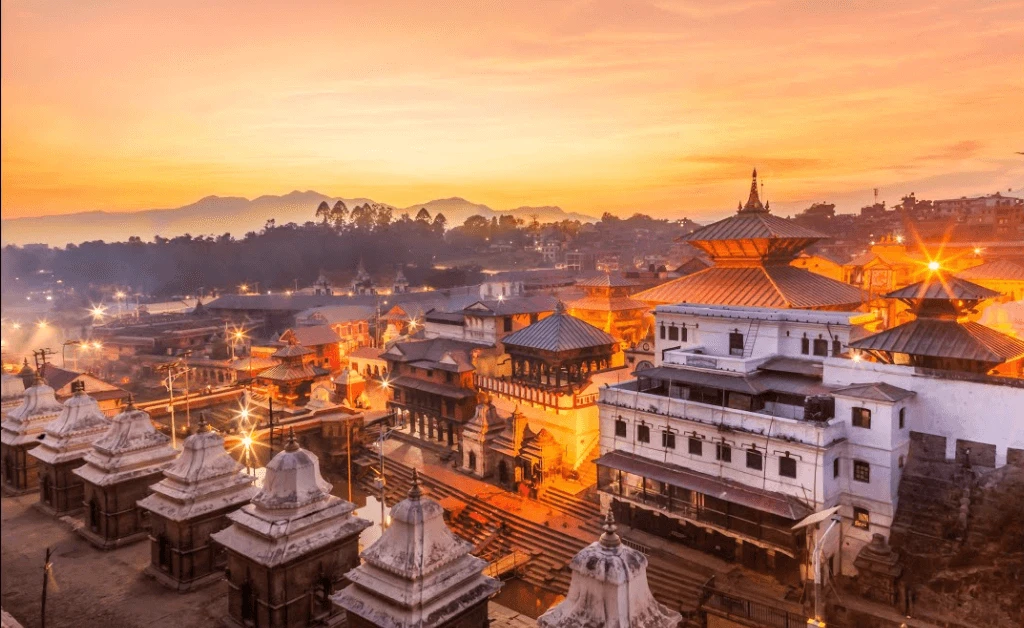
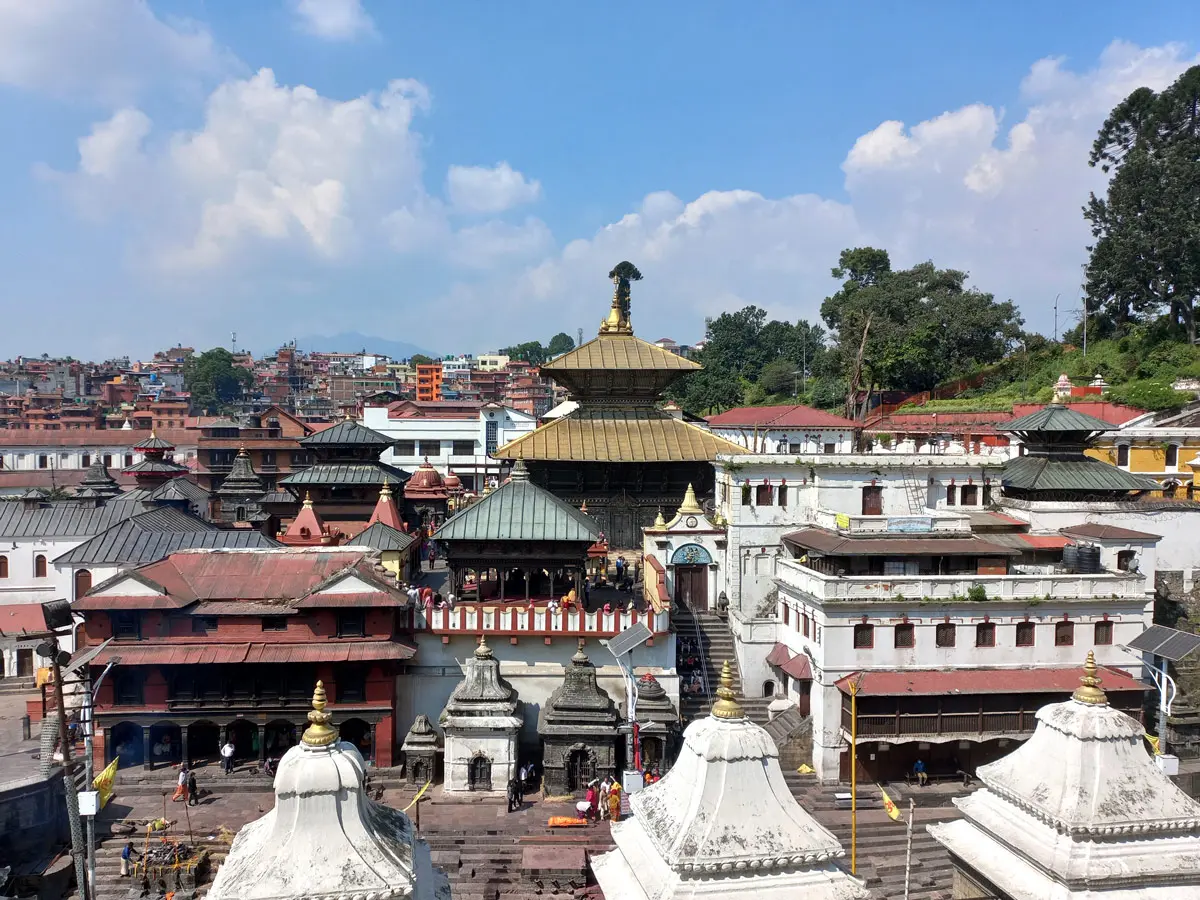
Pashupatinath Temple:
Pashupatinath is a temple dedicated to Lord Shiva situated five kilometers east of Kathmandu at the bank of the Bagmati River. The temple has two golden roofs and four silver doors and is a holy place of pilgrimage that attracts tens of thousands of Hindu pilgrims every year in spring. At the banks of the Bagmati River, one can also observe the cremation ritual of Hindus.
Patan Durbar Square:
Patan Durbar Square is home to the former Patan Royal Family. The most photographed of Kathmandu’s 3 Durbar Squares, it features a remarkable display of Newari architecture. Its main attractions include the Krishna Temple, with its 21 golden pinnacles, Rudra Varna Mahavihar, a Buddhist Monastery that houses local treasures, and the central courtyard of Mul Chowk.
The duration of the tour varies depending on the itinerary, but most tours last between 5 and 8 hours.
The cost of the tour depends on the itinerary and the tour company you choose. The cost typically includes transportation, guide services, and entrance fees to attractions.
It's best to wear comfortable and modest clothing that covers your shoulders and knees, as many of the attractions are religious sites. Comfortable walking shoes are also recommended.
Yes, if you are not a citizen of Nepal, you will need a tourist visa to enter the country. You can obtain a visa on arrival at the airport or apply for one in advance through the Nepalese embassy or consulate in your home country.

© Nepal Adventure Tour and Travel 2026


Developed by: Web House Nepal